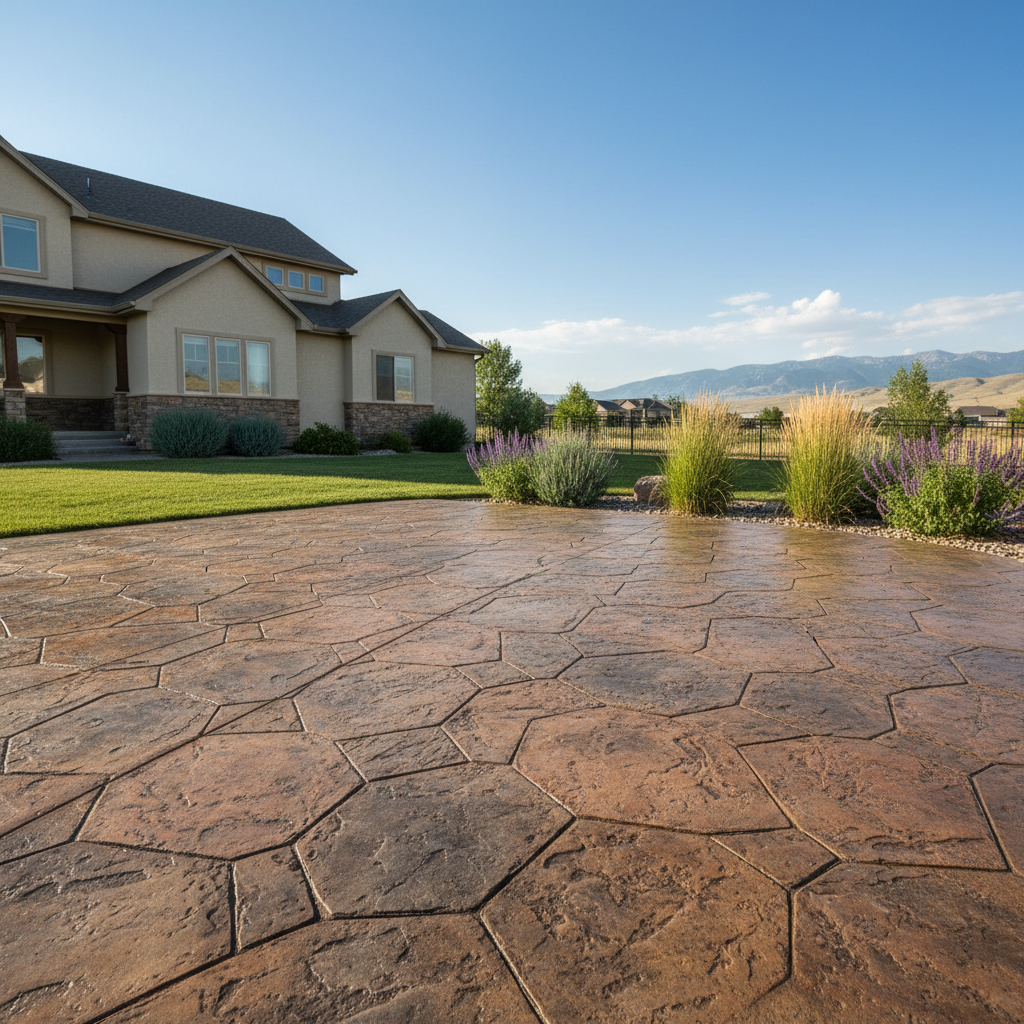
So, you've got some beautiful stamped concrete, maybe a patio, a walkway, or even a driveway. It looks fantastic, right? That's because when it's done right, stamped concrete really adds a lot of curb appeal and value to your Orem home. But here's the thing: it's not a set-it-and-forget-it deal. Just like anything else you want to last, it needs a little love. I've seen too many folks let their gorgeous concrete go downhill just because they weren't sure what to do. Let's make sure that doesn't happen to you.
Making Your Stamped Concrete Last Longer
The single most important thing you can do for your stamped concrete is proper sealing. Think of the sealer like the clear coat on your car's paint job. It protects against UV rays, moisture, and general wear and tear. Here in Orem, with our hot summers and snowy winters, that sealer really takes a beating. I usually tell people to reseal every 2-3 years, but it honestly depends on how much foot traffic it gets and how much sun and weather it's exposed to. If it's a high-traffic area or sits in direct sunlight all day, you might need to do it a bit more often, you know?
When you're resealing, always make sure the surface is clean and dry first. You definitely don't want to seal in dirt or moisture. There are a few different kinds of sealers out there – acrylic, penetrating, epoxy. For most residential stamped concrete, a good quality acrylic sealer is what you'll want to use. It's pretty easy to put on and gives excellent protection. If you're not sure which one to pick, give us a call at Utah Valley Concrete. We can point you in the right direction or even handle the resealing for you.
Regular Upkeep: Just Keep It Clean
This isn't rocket science, but it truly makes a huge difference. Regular cleaning stops dirt, grime, and other gunk from building up, which could potentially damage the sealer or even the concrete itself. Here's what I tell my clients:
- Sweep it regularly: Just like any other outdoor surface, sweep off leaves, dirt, and debris. This keeps organic matter from breaking down and staining the surface.
- Hose it down: A good rinse with a garden hose and a stiff brush (definitely not wire!) can work wonders. For tougher spots, a mild detergent and water mixture is great. Just be sure it's not an acid-based cleaner, because those can strip the sealer right off.
- Power washing (be careful!): Yes, you can power wash stamped concrete, but you really need to be cautious. Use a wide fan tip (40-degree or wider) and keep the pressure below 1500 PSI. Don't get too close to the surface, and keep that wand moving. Too much pressure or a concentrated stream can damage the sealer or even chip the concrete. I've seen it happen, unfortunately.
- Clean spills right away: Oil, grease, paint – clean these up as soon as they happen. The longer they sit, the harder they are to remove, and the more likely they are to stain.
One specific thing about Orem: our soil here can be pretty alkaline. If you've got a lot of runoff from garden beds onto your stamped concrete, that can leave mineral deposits over time. Regular rinsing helps prevent that buildup, thankfully.
Signs of Trouble to Watch For
You won't catch every single problem, but knowing what to look for can save you a headache and a much bigger repair bill later on. Keep an eye out for these things:
- Fading color: If your stamped concrete starts looking dull or the color isn't as vibrant as it used to be, that's a big sign your sealer is wearing off. This is usually the first clue it's time to reseal.
- Flaking or peeling sealer: This means the sealer wasn't put on correctly, or it's just past its prime and breaking down. You'll see small bits of the clear coat coming off.
- Cracks: Hairline cracks are pretty common in concrete, especially with our freeze-thaw cycles here in Utah. But if you see cracks widening, getting longer, or if sections are lifting, that's a more serious issue.
- Pitting or spalling: These are small holes or chips in the surface. This can happen from de-icing salts (which, by the way, you should avoid on stamped concrete!) or from water freezing and expanding in tiny pores.
- Stains that won't come out: If you've cleaned it thoroughly and there's still a stubborn stain, it might mean the stain has gotten into the concrete itself, which points to a compromised sealer.
When to Call a Professional
Look, I'm all for doing it yourself, but some jobs are just better left to the pros. You should definitely call someone like us at Utah Valley Concrete if you see:
- Significant cracking: Especially if it's structural, meaning it goes all the way through the slab or is causing uneven surfaces. We can figure out if it's a minor fix or something more serious.
- Large areas of spalling or pitting: If your surface is falling apart quickly, it might need more than just a simple patch. We can often resurface or repair sections to save the whole slab.
- Major discoloration or sealer failure: If your sealer is flaking off everywhere, or the color is completely gone, you might need a professional to strip the old sealer and reapply it correctly. It's a messy job and needs specific chemicals and know-how.
- Drainage problems: If water is pooling on your stamped concrete and not draining away, that's a real problem. Bad drainage leads to all sorts of issues, from ice hazards in winter to faster wear. We can often fix grading problems or add drainage solutions.
- You're just not comfortable: If you're unsure about what to do or how to do it, don't risk damaging your investment. Give us a call. We're happy to come out, take a look, and give you an honest opinion on what needs to be done.
Taking care of your stamped concrete isn't hard, but it does need a little attention. A small amount of effort now will keep it looking great for years and protect your investment. Don't let it go; you'll be glad you stayed on top of it.