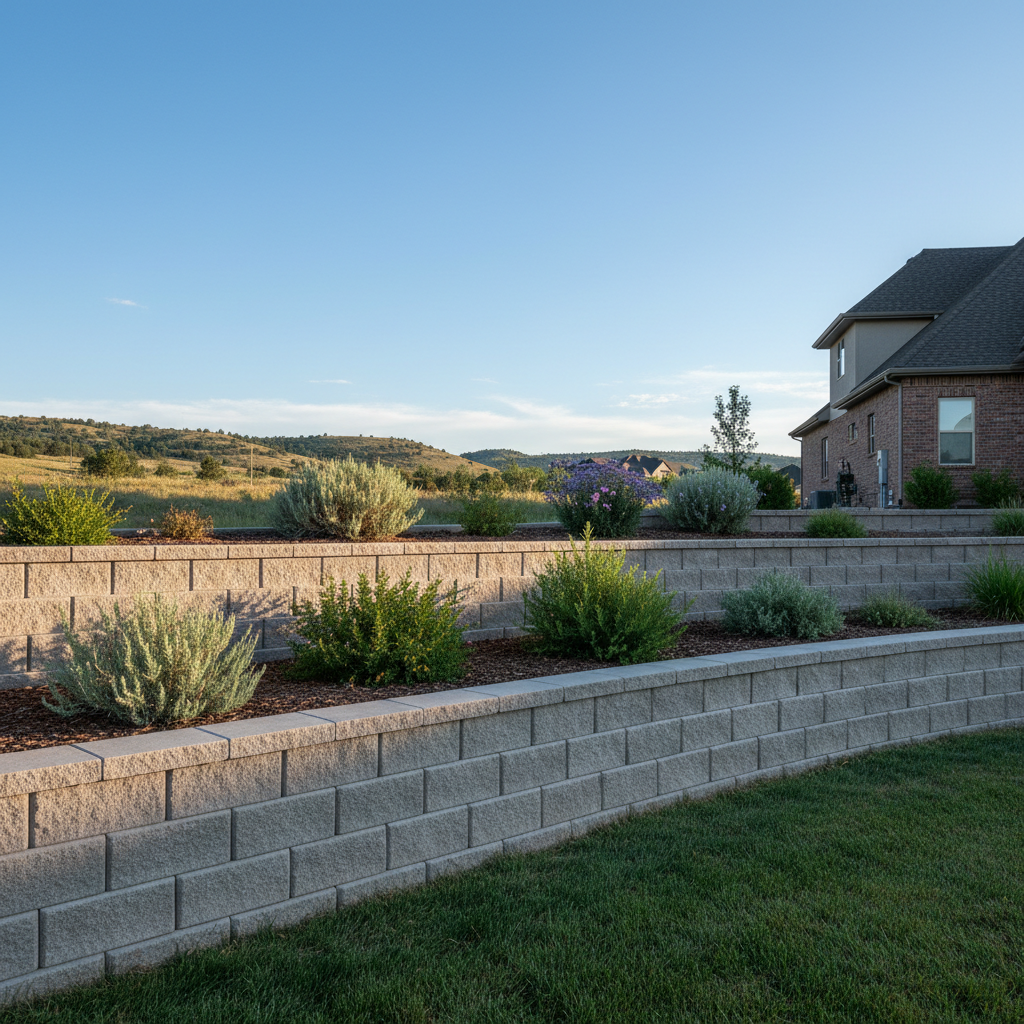
Your Concrete Retaining Wall: Built to Last, But Not Forever Without a Little Help
So, you've got a concrete retaining wall, right? Maybe it's holding back a hillside in your backyard, or maybe it's leveling out a sloped driveway. Could be it's just defining a garden bed. Whatever its job, you want it to last. And it absolutely can, for decades, if you treat it right. Here in Orem, with our crazy freeze-thaw cycles and sometimes heavy spring runoff, those walls really get put through their paces. I've seen plenty of walls that could've lasted years longer with just a bit of attention, you know?
Think of it like your car. You wouldn't just drive it without ever changing the oil, would you? Your retaining wall needs some regular check-ups and maintenance too. It's not rocket science, but ignoring it can lead to some expensive headaches down the road.
Extending Your Wall's Lifespan: The Basics
The biggest thing you can do to make your concrete retaining wall last longer is to manage water. Seriously, water is concrete's enemy, especially when it's allowed to sit or freeze behind the wall. When we build these walls at Utah Valley Concrete, we always put in proper drainage systems – usually a perforated pipe (weep pipe) behind the wall, covered with gravel, to direct water away. Your job? Just make sure that system stays clear and functional.
- Keep the drainage clear: Check those weep holes or drainage outlets regularly. Leaves, dirt, even small critters can block them up. If water can't get out, it builds up pressure behind the wall, and that's when you start seeing problems.
- Direct surface water away: Make sure your gutters aren't dumping directly onto or behind your wall. Slope the ground away from the top of the wall so rainwater runs off, not toward it.
- Avoid planting large trees too close: Tree roots are incredibly strong and can really push on a wall over time. They crack the concrete, compromising its stability. Keep larger plants a good distance away.
- Don't overload it: A retaining wall is designed to hold a specific amount of soil and lateral pressure. Don't add heavy structures, large piles of dirt, or fill materials directly on top or right behind the wall if they weren't accounted for in its original design.
- Seal it up (sometimes): For some decorative or exposed aggregate walls, applying a good quality concrete sealer every few years can help protect against moisture getting in and the effects of our harsh Orem winters. It's not always necessary for structural walls, but it can add an extra layer of protection.
Regular Maintenance: What You Should Be Doing
You don't need to be out there every day, but a couple of times a year, especially after heavy rain or snowmelt, and then again in the fall, give your wall a good once-over.
- Visual inspection: Walk along the entire length of your wall. Look for anything out of the ordinary.
- Clean debris: Clear away any leaves, dirt, or mulch that's built up against the wall or around its base. Make sure those drainage outlets are open.
- Check for cracks: Small hairline cracks are often just surface shrinkage and usually aren't a big deal. But keep an eye on them. If they grow, widen, or start to spiderweb, that's a different story.
- Monitor the soil: Look at the soil directly behind and in front of the wall. Are there any new depressions or bulges? Is the ground settling unevenly?
Warning Signs: When Something's Not Right
These are the things that should make you pick up the phone and call a pro. Don't ignore these – they usually mean there's a bigger issue brewing.
- Cracks that are widening or growing: Especially horizontal cracks, or cracks that run diagonally from the top down. If you can stick a dime in a crack, it's definitely time to worry.
- Leaning or bulging: If any section of your wall looks like it's tilting forward, bowing out, or has developed a noticeable bulge, that's a serious structural problem. This often points to immense pressure from water or soil behind the wall.
- Water seeping through the wall: If you see water consistently weeping through the concrete itself, rather than coming out of the drainage pipes, it means water is building up and finding weak spots. This can lead to erosion and further damage.
- Sections separating: If you have a segmented wall and you notice gaps appearing between the blocks or panels, or if the coping stones on top are shifting, that's a red flag.
- Soil erosion around the base: If the soil at the base of the wall is washing away, it can undermine the foundation of the wall itself.
- New depressions or sinkholes: If you see new dips or holes in the ground directly behind the wall, it could indicate that soil is washing away through compromised drainage or cracks in the wall.
When to Call a Professional
Look, I'm a contractor, so you might think I'd say