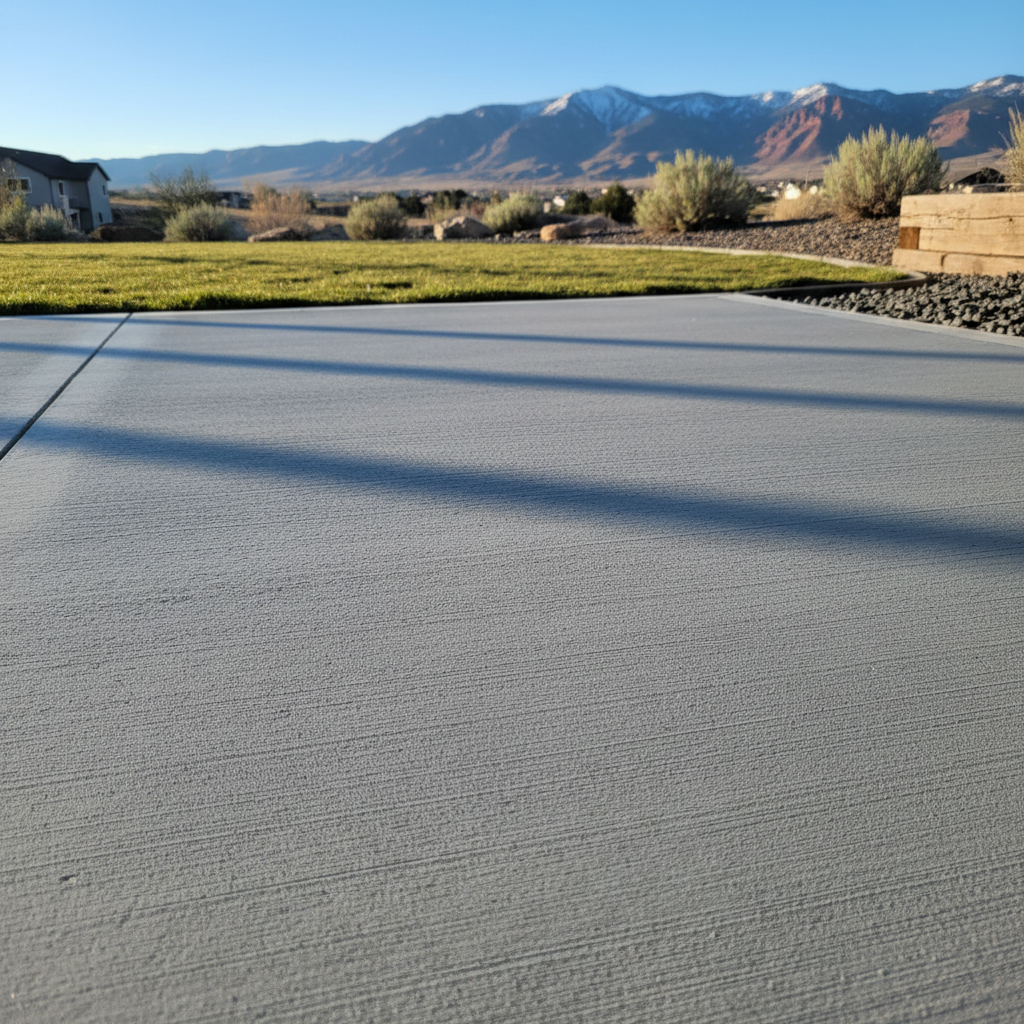
What's the real cost of new concrete in Orem?
That's always the first question people ask, and it's a good one. Look, there isn't one set price for concrete, not really. It's kind of like asking what a car costs – it totally depends on the make, model, and all those fancy features, right? For concrete, it boils down to a few main things: how big the project is, how thick you need it, if you want any special finishes like stamped or colored concrete, and how much prep work the site actually needs. A basic broom-finish driveway? That's going to be a lot different than a complex patio with multiple colors and patterns. We're usually talking somewhere from $5-$15 per square foot for basic stuff, but it can shoot up quite a bit for decorative work. Oh, and please, don't skimp on the base prep. That's where a lot of problems start, believe me. A good, compacted base is absolutely crucial, especially with our Orem soils that can have a fair bit of clay in them. It's an investment, after all, so you want it done right the first time.
How long does concrete installation actually take?
Another common one. Most homeowners think we just pour it and then, poof, we're done. Not quite. The actual pouring day for a driveway or patio might only take a few hours, depending on its size and how many folks are on the crew. But that's just one piece of the puzzle. Before that, you've got site prep: digging out the area, grading, laying down and compacting the base material, setting up forms, and getting the rebar or wire mesh in place. That whole part can easily take a day or two, sometimes more for bigger or trickier jobs. After the pour, there's the finishing work – floating, troweling, edging, cutting the joints. Then, the concrete needs to cure. You can usually walk on it in 24-48 hours, but you really shouldn't drive a car on a new driveway for at least 7 days. Ideally, you'd wait 28 days for it to hit its full strength. So, from start to finish, for a typical driveway, you're probably looking at a week or two of disruption, with most of the heavy lifting happening in those first few days.
Do I really need rebar or mesh in my concrete?
Absolutely, yes. Think of rebar (that's reinforcing bar) or wire mesh as the skeleton for your concrete slab. Concrete is incredibly strong when you push down on it – it can handle a ton of weight. But it's not so great under tension; it doesn't like to be pulled apart or bent. That's exactly where rebar or mesh comes in. It holds the concrete together, especially when the ground shifts a little or if you've got heavy loads on it, like a big RV or truck. It helps control cracking and stops those cracks from getting wider and turning into major structural issues. For driveways, patios, and pretty much any exterior slab that's going to see traffic or weather, you definitely want that reinforcement. It's a small cost upfront that saves you big headaches and repair bills down the road, trust me.
What's the deal with concrete cracking? Is it normal?
Yeah, it's pretty normal, unfortunately. Concrete cracks. It's not a question of *if* it will crack, but *when* and *where*. Concrete shrinks as it dries and cures, and that shrinkage creates stress. We try to control where those cracks happen by putting in control joints – those lines you see cut into fresh concrete. These joints create weakened planes, so when the concrete does crack, it ideally cracks along those lines, making it less noticeable and less damaging. Things like temperature swings (which we get a lot of here in Orem, from hot summers to freezing winters), heavy loads, and improper base prep can all contribute to cracking. Good design, proper installation, and adequate control joints are key to managing it. Now, if you see big, wide cracks or the concrete is significantly displaced, that's a different story altogether and usually points to a bigger problem.
How do I choose the right contractor for my concrete project?
This is huge. Seriously, don't just pick the cheapest bid. I've seen too many folks regret that decision. First, make sure they're licensed and insured. Ask for references and actually call them up. Look at their past work if you can. A good contractor will be upfront about the process, explain the materials they use, and give you a detailed, written estimate. They should also know their stuff about local conditions – like how our Orem winters affect curing or how to handle specific soil types. Here at Utah Valley Concrete, we really pride ourselves on being honest and doing quality work. You want someone who communicates well, shows up on time, and stands behind what they do. It's not just about pouring concrete; it's about building trust and a lasting relationship, isn't it?
What's the best way to maintain my new concrete?
Once your concrete is in and fully cured, a little maintenance goes a long, long way. The biggest thing is sealing it. I recommend sealing exterior concrete every 2-3 years, especially if it's stamped or colored. A good quality sealer protects against stains, moisture getting in (which can lead to freeze-thaw damage), and general wear and tear. Keep it clean – sweep off debris regularly. If you get spills, clean them up quickly. In winter, be careful with de-icing salts. Calcium chloride or magnesium chloride are generally safer for concrete than rock salt (sodium chloride), but using them sparingly is always best. Shovel snow promptly. Basically, treat it well, and it'll last you for decades.
Can I pour concrete in winter here in Orem?
You can, but it's trickier and often costs more. Concrete needs to cure properly, and cold temperatures really slow down or even stop that process. If the concrete freezes before it gets strong enough, it can be permanently damaged. We have to take extra precautions in winter: using special additives in the mix, heating the aggregates and water, and covering the fresh concrete with insulating blankets. All this adds to the cost and complexity, naturally. Generally, if you can wait until spring or summer when temperatures are consistently above freezing, you'll get a better result with less hassle. We've certainly done winter pours, but it's usually for projects where there's just no other option. For your average homeowner, I'd say plan for warmer weather if you can swing it.