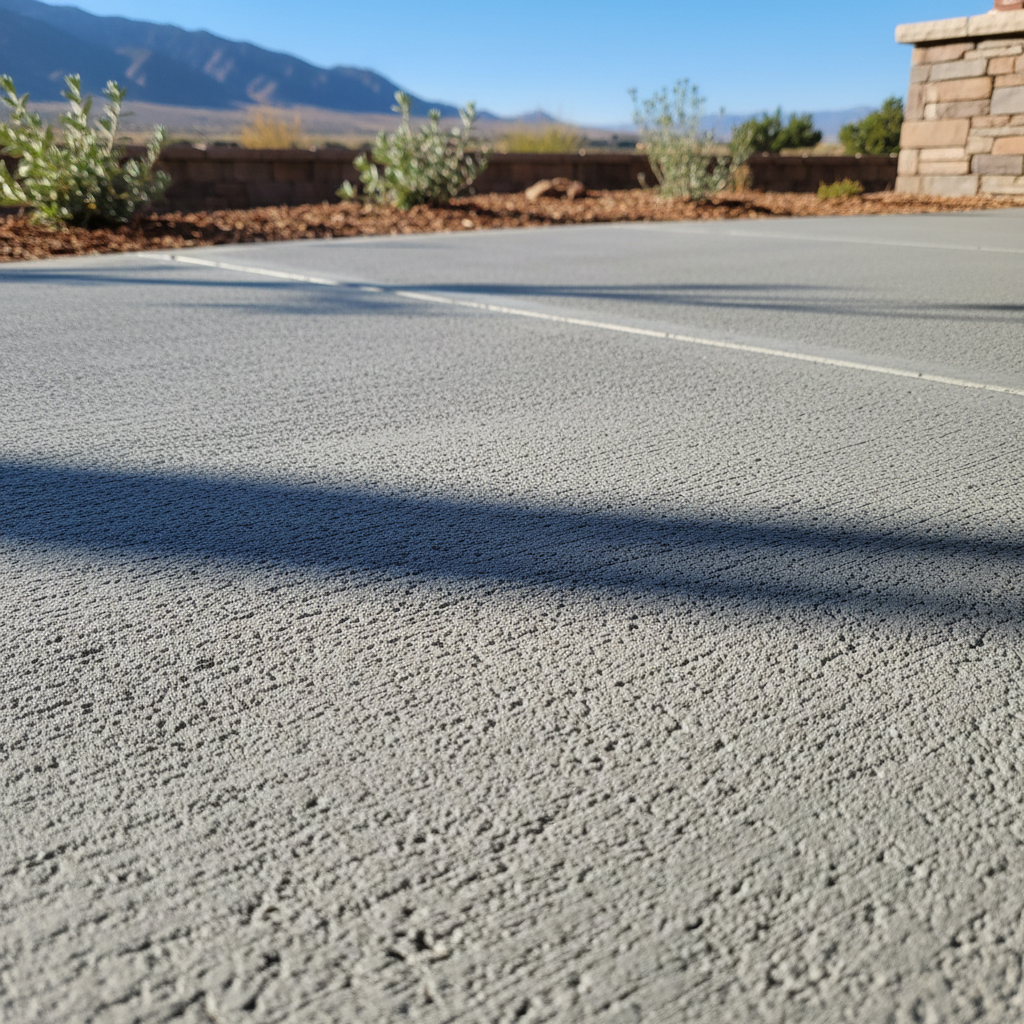
So, you're thinking about pouring some new concrete around your Orem home. Maybe it's a new patio, a wider driveway, or just fixing up that cracked walkway. It's a common thought for homeowners: "Can I do this myself, or do I need to call someone?" Let's break down concrete flatwork, what's involved, and when it makes sense to roll up your sleeves versus pick up the phone.
Before You Start: Planning & Prep
This is probably the most critical phase, whether you're DIYing or hiring. Get this wrong, and nothing else will matter much. First off, what are you pouring? A small, simple pad for a trash can? Maybe. A 1,000 square foot driveway? Probably not.
- Permits: Don't skip this. For most significant concrete work, especially driveways or anything that changes drainage, you'll need a permit from Orem City. They'll want to see your plans, make sure it meets setback requirements, and that you're not messing up stormwater runoff for your neighbors. Get this squared away first.
- Excavation & Grading: You need a solid, level, and well-drained base. This means digging out the old stuff, making sure the subgrade is compacted, and sloping it correctly for drainage. Here in Orem, with our clay-heavy soils in some areas, proper compaction and a good gravel base are absolutely non-negotiable. If you don't compact that base right, your concrete will crack and settle prematurely. I've seen it happen too many times, especially around older homes in the Geneva Road area where the ground can be pretty soft.
- Formwork: This is building the frame that holds the wet concrete in place. It needs to be sturdy, perfectly level (or sloped as planned), and secured. For a small, square pad, you might manage this. For anything complex, with curves or multiple sections, it gets tricky fast.
- Reinforcement: You'll almost always need rebar or wire mesh. This helps hold the concrete together and resist cracking. Knowing where to place it, how to support it, and how much overlap you need is key.
For a small, non-critical pad, you might be able to handle the prep. But for anything larger than, say, a 4x4 foot area, or if drainage is a concern, honestly, this is where a pro earns their money. We've got the heavy equipment for excavation, the laser levels for perfect grading, and the experience to build bulletproof forms.
During the Pour: The Concrete Itself
Okay, so you've got your forms built, your base is perfect, and your rebar is laid. Now comes the concrete. This is where things move fast, and there's no going back once it's poured.
- Ordering & Delivery: You need to know exactly how much concrete to order. Over-order, and you're paying for waste. Under-order, and you've got a cold joint – a weak spot where new concrete meets old, partially set concrete. Not good. You also need to be ready when the truck arrives; they don't wait around.
- Placing & Spreading: Once the concrete hits the forms, you've got a limited window. You need to spread it evenly and get it to the right height. This is hard work, physically demanding, and requires speed.
- Screeding & Floating: This is leveling the concrete and bringing the "cream" to the surface. A screed board pulls off the excess, and then a float smooths it out. Getting a truly flat, even surface takes practice. If you're doing a small slab, you might rent a vibratory screed, but for larger jobs, a power screed is essential.
- Finishing: This is where the magic happens, giving the concrete its final look and texture. Troweling, brooming, stamping – each requires specific tools and techniques. A broom finish, for example, needs to be done at just the right time, not too wet, not too dry, to give you good traction. This is where a DIY job often looks like a DIY job. Pros, like us at Utah Valley Concrete, have spent years perfecting these finishes. We know exactly when the concrete is ready for each step.
Pouring concrete isn't like painting a wall. You can't just stop and come back later. It's a race against the clock, and if you don't have the right tools, enough hands, and the experience, you're going to end up with a mess. For anything more than a tiny, simple slab, this is definitely a job for experienced folks.
After the Pour: Curing & Care
You've got your new concrete! Now what? The work isn't over. Proper curing is just as important as the pour itself for strength and durability.
- Curing: Concrete doesn't just dry; it cures. This is a chemical process that needs moisture. If it dries out too fast, it'll be weaker and more prone to cracking. You'll need to keep it wet for several days, either by misting it, covering it with plastic, or using a curing compound. Don't walk on it too soon, and definitely don't drive on it for at least a week, sometimes longer depending on the mix and the weather.
- Sealing: Once it's fully cured, usually after 28 days, you might want to seal it. A good sealer protects against stains, water penetration, and extends the life of your concrete. It's a relatively easy DIY task you can do with a roller or sprayer.
- Maintenance: Keep it clean, sweep off debris, and address any spills quickly. In Orem, we get those harsh winters with freeze-thaw cycles. Avoid using de-icing salts on new concrete, especially in its first year, as they can damage the surface. Sand is a much better option for traction.
Curing and sealing are definitely things you can handle yourself. It's not rocket science, but it does require diligence. Following these steps will ensure your investment lasts for years.
The Bottom Line: When to Call Utah Valley Concrete
Look, I'm all for homeowners tackling projects they can handle. It's satisfying. But concrete flatwork, especially anything structural or larger than a small utility pad, is one of those jobs where the risk of a bad outcome is high, and the cost to fix it is even higher. If you're talking about a new driveway, a large patio, or anything that needs to look good and last for decades, save yourself the headache, the backache, and the potential for costly mistakes. Give us a call. We've got the crew, the equipment, and the know-how to get it done right the first time, so you can enjoy your new concrete without any worries.